
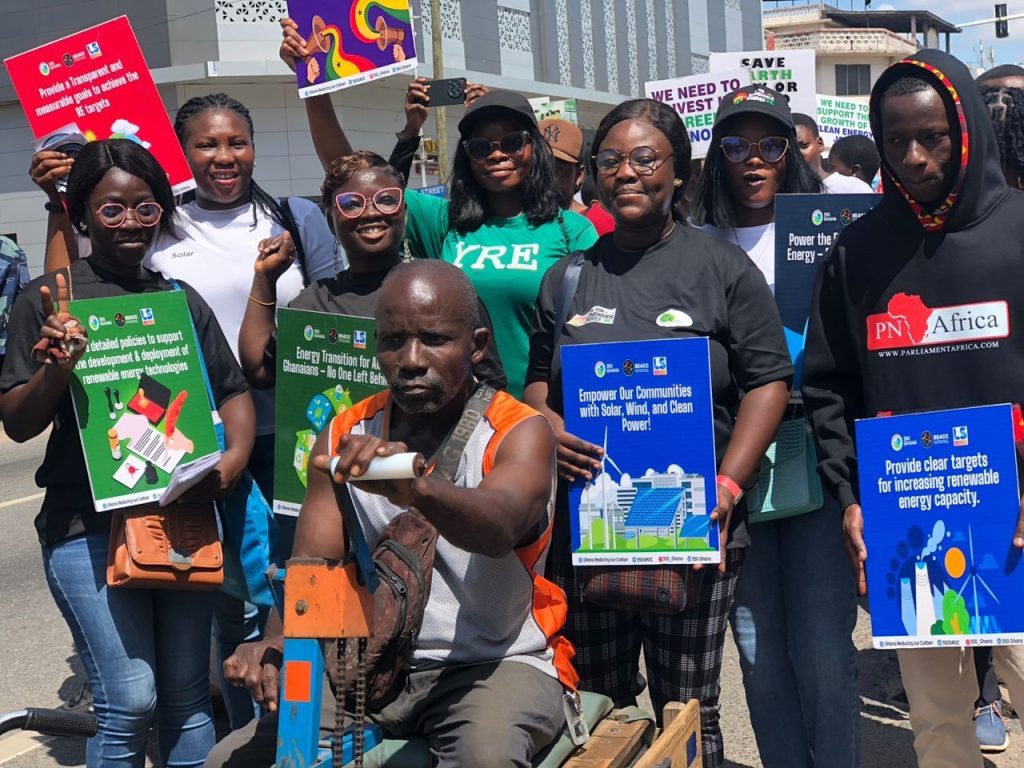
Ghana has made commendable progress in expanding access to electricity, achieving one of the highest electrification rates in Sub-Saharan Africa. As of late 2025, the country’s national electrification rate stood at approximately 89 %, with more than 30 million people connected to the grid, a major milestone in its development trajectory. 
Yet, significant disparities persist, particularly in rural, remote, island, and lakeside communities. Around 3.5 million to 3.7 million Ghanaians remain without access to modern electricity services, concentrated in areas where extending the central grid is logistically difficult and economically prohibitive. 
In this context, decentralized renewable energy (DRE) systems such as solar mini-grids and standalone solar home systems are emerging as indispensable enablers of universal energy access. This article explores their role, impact, challenges, and prospects in Ghana’s electrification landscape.
Ghana’s Energy Gap: The Rural-Urban Divide
Despite strong national performance, the divide between urban and rural electrification remains stark:
• Urban electricity access exceeds 95 %, while rural access is considerably lower, often below 75 % in the most isolated districts. 
• Many unelectrified populations are located in remote parts of the Northern, Oti, Savannah, and Volta lake regions, where extending transmission infrastructure is costly due to terrain, distance, and low population density. 
This disparity against the backdrop of Ghana’s SDG7 commitment to universal access by 2030 has positioned decentralized renewable systems at the forefront of national electrification strategies. 
Decentralized Renewable Energy: A Transformative Solution
What Are Decentralized Renewable Systems?
Decentralized renewable energy systems are localized energy solutions that operate independently of the main national grid. They include:
• Solar mini-grids, which combine solar photovoltaic (PV) panels with batteries and sometimes hybrid sources (e.g., biomass) to power entire communities.
• Solar home systems (SHS), which are standalone installations serving individual households or small businesses.
• Hybrid mini-grids, combining solar, battery storage, wind, or biomass generation for resilience.
These systems are modular, scalable, and tailored to meet local energy demand without large grid infrastructure. 
Government Initiatives and Strategic Deployment
In 2025, the Government of Ghana launched the Scaling-Up Renewable Energy Programme (SREP), a flagship initiative designed to harness decentralized renewables to expand off-grid access. 
Under SREP:
• 35 solar mini-grids are being constructed.
• 1,450 solar home systems will be deployed in targeted underserved regions.
• 12,000 net-metered rooftop solar PV systems will be installed nationwide. 
The programme aims to provide energy access to over 70,000 people initially, with plans to expand to 200 mini-grids by 2030, helping close the electrification gap to a projected 99.8 %. 
Benefits of Decentralized Renewable Energy (DRE) Systems
1. Cost-Effective Last-Mile Electrification
Extending the national grid to sparsely populated or challenging terrains such as islands in Lake Volta can require expensive infrastructure like underwater cables and long transmission lines. DRE systems bypass these hurdles by generating electricity near the point of use, significantly lowering deployment costs. 
2. Environmental and Health Gains
Solar and other renewables emit little to no greenhouse gases, reducing reliance on diesel generators and burning of biomass, which remain common in off-grid areas. This transition contributes to better air quality and aligns with climate change mitigation goals. 
3. Economic Empowerment
Access to electricity stimulates local economic activity:
• Small businesses can operate longer hours.
• Schools and health centers gain reliable power for lighting, equipment, and refrigeration.
• Agricultural processing and storage become viable. 
Case studies, like the Ryse Energy mini-grid project in Ada Foah, demonstrate how renewable mini-grids can boost agricultural productivity and create local jobs. 
Challenges in Scaling Decentralized Renewables
Despite their potential, several challenges must be addressed:
1. Financing and Investment
Although Ghana has mobilized support from partners like the African Development Bank (AfDB), Climate Investment Funds, and the Swiss Government, the funding gap for widespread deployment remains significant. High upfront capital costs and financing risks discourage some private investors. 
2. Regulatory and Policy Frameworks
Stable, predictable policies and tariff structures that enable cost recovery for mini-grid operators are essential to attract private sector participation. Ghana continues to refine these frameworks to build investor confidence. 
3. Technical Capacity and Maintenance
Maintenance, load forecasting, and reliable operations are critical for sustainability. Research in Ghana has shown that mini-grid performance can be hindered by system inefficiencies and the lack of trained local technicians. 
Community engagement and training both technical and management will be vital in ensuring long-term success.
Looking Ahead: Integration, Innovation, and Expansion
Decentralized renewable energy is not just a stopgap, it is poised to play a central role in Ghana’s energy future. With stronger policy support, innovative financing, and capacity building, mini-grids and solar home systems can serve as building blocks for universal access.
As Ghana strives to bridge the final electrification gap and achieve SDG7 by 2030, decentralized energy systems offer a scalable, sustainable, and people-centered path forward lighting up homes, powering dreams, and accelerating socio-economic progress across the nation.
Author: JOHN AGYEKUM KUFFOUR, FINANCE DIRECTOR, 350 GHANA REDUCING OUR CARBON
